
ISB15 Game 2026: Deep Android Platform Breakdown
Just Now
16 MB
v2.0.1
Android 5+
15k
Description
A growing number of Android users no longer spend hours inside a single mobile game. Instead, they open applications for a few minutes between work tasks, during commutes, or while waiting in line. This shift in behavior has created demand for platforms that focus on short interaction cycles rather than long progression systems. ISB15 Game belongs to this category of mobile applications.
Rather than positioning itself as a traditional mobile title with a storyline, character progression, or competitive ranking ladder, ISB15 Game appears to operate as a multi-activity environment where users move between different sections depending on their interests and available time. The platform attracts attention because it combines accessibility, APK-based distribution, and a structure designed around brief engagement sessions.
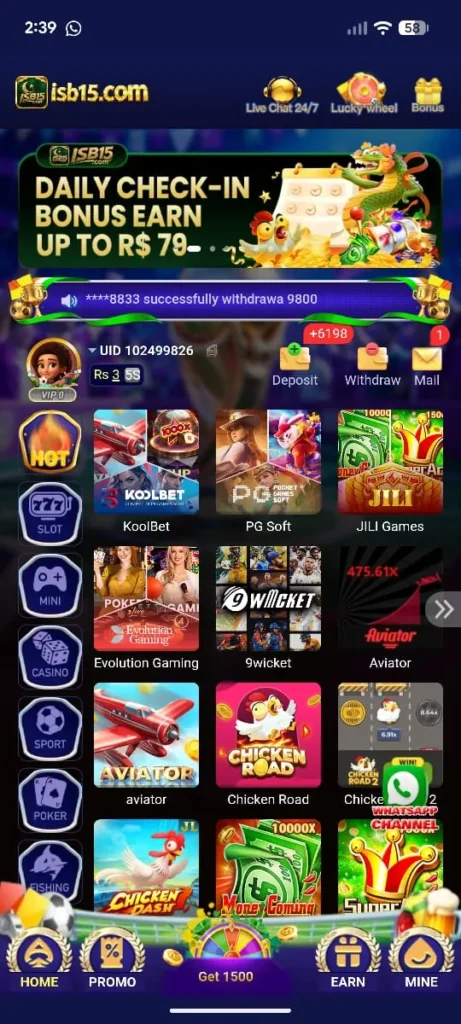
For Android users researching the platform, the key questions usually extend beyond installation. People want to understand how the system is organized, what influences performance, whether device specifications matter, and how the overall experience compares to other gaming applications available today.
This article explores those questions through a practical and analytical lens, focusing on platform design, gameplay architecture, technical considerations, security awareness, and long-term usability.
Understanding the Design Logic Behind ISB15 Game
Many Android gaming applications follow a familiar formula: launch the app, complete a tutorial, unlock content, and progress through increasingly complex stages. ISB15 Game approaches user interaction differently.
Instead of centering the experience around a single gameplay loop, the platform organizes activities into separate sections that can be accessed independently. Users are generally not required to complete one task before accessing another. This structure changes the relationship between the player and the application.
The dashboard acts as a navigation hub rather than a starting level. Users enter, select a category, participate in an activity, and return to the main screen without committing to a long progression path.
This design reflects broader changes in smartphone usage patterns. Research across mobile behavior consistently shows that many users engage with apps in fragmented time blocks rather than extended sessions. A platform structured around independent activities naturally aligns with that behavior.
Another notable characteristic involves the absence of heavy onboarding. Traditional mobile games often invest heavily in tutorials because players must learn mechanics before they can participate effectively. In ISB15 Game, navigation itself becomes the primary learning process. Users discover available sections by exploring the interface rather than following a scripted introduction.
The result is a platform that prioritizes immediate access over structured progression.
How Activities Are Organized Within the Platform
Understanding the internal structure of ISB15 Game helps explain why user experiences vary.
The platform typically separates interaction into several categories rather than presenting a single central activity. Each category functions independently and maintains its own interaction flow.
From a player perspective, this creates flexibility. A user can engage with one section for a few minutes, leave it, and switch to another without losing continuity elsewhere.
This differs significantly from traditional mobile games such as Clash Royale or Mobile Legends, where progression systems encourage continuous investment in one central activity.
The architecture commonly includes:
Activity-Based Modules
Each section operates as a separate destination within the application. Rather than unlocking sequential content, users choose where to spend their time.
Event-Oriented Sections
Temporary events often create short-term participation opportunities. These sections help keep the platform dynamic without requiring large-scale gameplay updates.
Dashboard Navigation
Most interactions originate from a central control screen. This reduces navigation complexity and minimizes the number of screens users must pass through.
Independent Progress Tracking
Activities often maintain separate tracking systems rather than feeding into one universal progression framework.
For players, this means engagement remains flexible. The experience feels more like navigating a collection of activities than advancing through a traditional game.
Why Platforms Like ISB15 Game Continue to Attract Mobile Users
The popularity of multi-activity gaming applications is tied directly to how people use smartphones.
A decade ago, mobile gaming frequently attempted to replicate console experiences. Developers emphasized lengthy sessions, complex mechanics, and extensive progression systems.
Modern usage trends point in a different direction.
Many users interact with mobile devices dozens of times each day, often in sessions lasting only a few minutes. During those brief windows, accessibility matters more than complexity.
Several factors explain why platforms such as ISB15 Game appeal to this audience:
Short Attention Windows
Mobile users often seek activities that fit naturally into small breaks. Applications requiring long uninterrupted sessions struggle to align with those habits.
Reduced Learning Friction
Complex mechanics create barriers. Platforms organized around independent sections allow users to participate without memorizing extensive systems.
Flexible Participation
Players can engage when convenient without feeling obligated to maintain continuous progress.
Lower Commitment Requirements
Missing a day or skipping a session rarely creates major disadvantages because the experience is not centered around competitive progression.
This does not necessarily make the platform superior to traditional games. Instead, it serves a different purpose within the mobile gaming ecosystem.
A player who enjoys strategic depth may still prefer titles like Hearthstone or Teamfight Tactics. Someone looking for brief interactions between daily responsibilities may find greater value in a platform organized around shorter engagement cycles.
Android Compatibility: What Actually Influences Performance?
One misconception surrounding APK-based gaming platforms is the assumption that performance remains consistent across devices.
In reality, the same application can behave very differently depending on hardware configuration, operating system version, storage availability, and network conditions.
The table below highlights several factors that influence real-world performance.
| Factor | Entry-Level Devices | Mid-Range Devices | Higher-End Devices |
|---|---|---|---|
| Screen Transitions | May require additional loading time | Generally responsive | Typically immediate |
| Memory Handling | Limited multitasking capability | Better background management | Efficient process allocation |
| Navigation Speed | Varies under load | Consistent in most conditions | Rarely affected |
| Section Switching | Can slow during extended sessions | Stable under normal usage | Minimal delays |
| System Stability | Depends heavily on storage availability | More consistent behavior | Usually unaffected |

Storage capacity deserves particular attention.
Users often focus on RAM and processor specifications while overlooking available storage. When internal storage approaches capacity, Android devices frequently experience slower application behavior, regardless of processor performance.
Internet quality also influences responsiveness. Certain sections depend on server communication, meaning latency can affect transition speed even when the device itself remains capable.
For users considering installation, maintaining available storage and a stable network connection often produces more noticeable improvements than hardware upgrades alone.
Installation Workflow and Account Setup: What New Users Should Expect
One aspect that separates ISB15 Game from applications distributed through official app marketplaces is its installation process. Instead of a single-tap installation from Google Play, users usually download an APK file and complete setup manually.
For experienced Android users, this process feels routine. For others, it introduces additional steps that deserve attention.
The typical workflow begins with downloading the installation package from a website hosting the application. Android then requires permission to install software from external sources. Depending on the device manufacturer and Android version, this option may appear under Security, Privacy, or Application Settings.
After installation, users generally encounter account creation requirements before accessing the platform. Registration methods often include:
- Mobile number verification
- Email registration
- Password creation
- One-time verification codes
The goal is not simply account creation but user identification within the platform ecosystem.
Common Setup Challenges
Several issues appear repeatedly among new users:
Installation Blocked by Security Settings
Android may prevent installation if unknown-source permissions remain disabled.
Corrupted Download Files
Interrupted downloads occasionally result in incomplete installation packages.
Verification Delays
Network congestion can slow verification code delivery.
Compatibility Warnings
Older Android versions sometimes trigger compatibility messages even when the application remains functional.
Most of these issues are solved through device settings adjustments, updated operating systems, or re-downloading the installation package from a reliable source.
Examining the Systems Designed to Encourage Continued Participation
Many mobile applications rely on retention systems to encourage recurring visits. ISB15 Game appears to follow a similar strategy through layered participation mechanics.
Understanding these systems helps users recognize why certain activities appear prominently within the interface.
Daily Activity Structures
Daily participation frameworks encourage users to revisit the platform regularly. These systems often reset on a 24-hour cycle and provide incremental incentives for continued engagement.
From a design perspective, the goal is consistency rather than intensity. Frequent short visits generally contribute more to long-term retention than occasional extended sessions.
Event-Based Participation
Temporary events introduce variation into the user experience.
Instead of redesigning the platform itself, developers can refresh engagement through time-limited activities. This approach reduces development overhead while maintaining user interest.
Progress Monitoring
Many sections include visual indicators that track participation history. These systems provide feedback without requiring competitive ranking structures.
The psychological effect is straightforward: users tend to engage more frequently when progress remains visible.
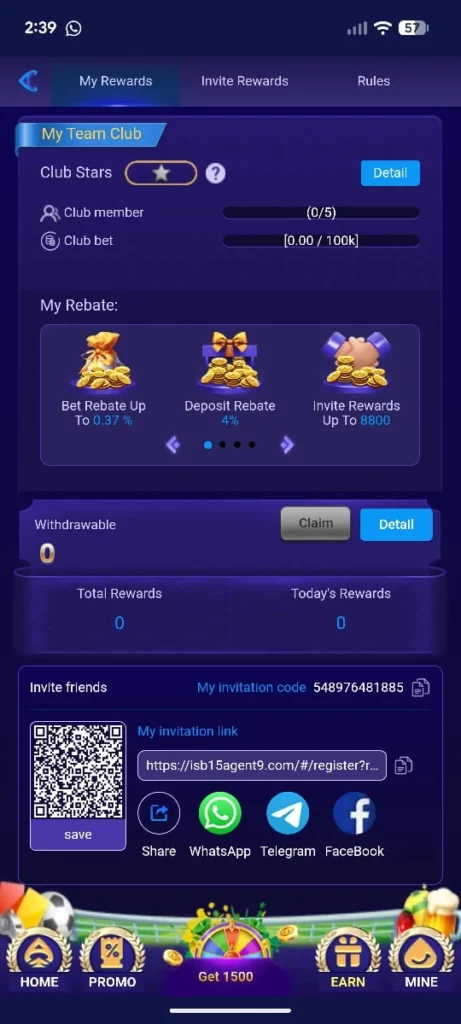
Referral Frameworks
Referral systems appear across many modern applications. Their primary purpose extends beyond growth.
While referrals attract new users, they also strengthen existing user commitment by creating social connections within the platform ecosystem.
Reward Distribution Models
Reward systems serve an important behavioral role. Regardless of format, they create feedback loops that reinforce participation patterns.
The effectiveness of these systems depends less on reward size and more on perceived consistency and transparency.
ISB15 Game APK Security and Installation Safety Considerations
APK-based applications like ISB15 Game operate outside official app store verification systems, which means the responsibility for safety shifts directly to the user. Unlike Play Store apps that undergo automated scanning and policy checks, APK files can vary in authenticity depending on the source from which they are downloaded.
One of the most important factors is source verification. Users should only download the APK from platforms that clearly display version history, secure HTTPS connections, and consistent update records. Files from unknown or newly created websites carry a higher risk of modification or hidden scripts that may affect device behavior.
Another key area involves permission control during installation. Android systems may request access to storage, network settings, or device information. Each permission should be evaluated based on necessity. If an application requests access that is unrelated to its core function, it should be treated with caution.
Data privacy awareness is also essential. Users should avoid entering sensitive personal information unless the platform clearly explains how data is stored and used. Since APK-based systems are not always governed by centralized policies, transparency can vary significantly between versions.
Real-World Performance Evaluation Across Different Device Conditions
Performance discussions often focus on specifications rather than actual user experience.
In practice, several environmental variables influence how ISB15 Game behaves.
Navigation Responsiveness
Navigation quality determines how quickly users move between sections.
On devices equipped with modern processors and sufficient memory, dashboard transitions generally feel immediate. Older hardware may require additional time when loading sections for the first time during a session.
Impact of Background Applications
Android devices constantly allocate resources among active processes.
Users running multiple applications simultaneously may notice slower response times because system memory becomes fragmented across competing tasks.
Network Dependence
Some platform components rely heavily on server communication.
In these situations, internet quality affects responsiveness more than hardware capability. A powerful smartphone connected to an unstable network may perform worse than a mid-range device operating on a reliable connection.
Session Duration Effects
Longer usage sessions sometimes produce different performance characteristics than short visits.
Extended sessions may increase memory consumption, particularly if multiple sections are opened without restarting the application.
Performance Comparison Table
| Performance Area | Optimal Conditions | Potential Issues |
|---|---|---|
| Dashboard Access | Stable internet and available memory | Delayed loading on congested networks |
| Section Switching | Modern hardware with free RAM | Slower transitions on older devices |
| Account Access | Reliable server communication | Login delays during high traffic periods |
| Event Participation | Updated application version | Synchronization issues on outdated versions |
| Extended Sessions | Sufficient storage and memory | Increased lag after prolonged use |
For most users, device maintenance has a greater impact on performance than raw hardware specifications.
Security, Privacy, and APK-Related Risk Awareness
Whenever software is distributed through APK files, security becomes part of the user experience.
Official app stores perform automated and manual review processes before publication. APK distribution shifts much of that responsibility to the individual user.
Verifying Download Sources
The most important security step involves evaluating where the file originates.
Reliable sources generally provide:
- Consistent update history
- Clear version information
- Secure HTTPS connections
- Transparent ownership details
Users should approach unfamiliar download websites cautiously.
Reviewing Permission Requests
Permissions reveal how applications interact with devices.
When reviewing requests, users should ask a practical question:
“Does this permission appear necessary for the application’s intended functionality?”
Unexpected requests deserve additional scrutiny.
Protecting Personal Information
Users should avoid sharing unnecessary personal data during registration.
Information that exceeds normal account requirements should prompt additional evaluation before submission.
Device Security Practices
Recommended precautions include:
- Maintaining antivirus protection
- Installing Android security updates
- Using strong passwords
- Avoiding modified APK versions
Security is not a single action but an ongoing process.
What User Feedback Patterns Reveal About Long-Term Usage
User discussions often reveal trends that technical specifications cannot.
While individual experiences vary, several recurring themes appear across community conversations.
Frequently Mentioned Positives
Users often appreciate:
- Direct access to different activity sections
- Flexible participation options
- Short-session compatibility
- Reduced commitment requirements
These strengths align closely with the platform’s overall design philosophy.
Common Concerns
Several concerns also appear regularly:
- Variable performance across devices
- Uncertainty regarding download sources
- Occasional synchronization delays
- Limited transparency around certain systems
Importantly, these concerns are not unique to ISB15 Game. Similar observations appear across many APK-distributed platforms.
Long-Term Engagement Observations
Long-term users generally remain active when the platform continues introducing fresh participation opportunities.
Static environments often experience declining engagement regardless of technical quality.
This highlights an important reality: content variety frequently influences retention more than interface design.
Responsible Usage and Regional Considerations
Every digital platform exists within broader legal and cultural contexts.
Users should understand how local regulations affect software usage, particularly when applications are distributed outside centralized marketplaces.
Legal Awareness
Regulatory approaches vary significantly between regions.
Users should familiarize themselves with local digital platform policies before participating.
Managing Screen Time
Short-session platforms can encourage frequent visits throughout the day.
Establishing healthy usage habits helps maintain balance between entertainment and daily responsibilities.
Financial Expectations
Users should avoid treating participation systems as predictable sources of income.
Platforms designed primarily for entertainment should be approached with appropriate expectations.
Personal Responsibility
Ultimately, users remain responsible for:
- Verifying installation sources
- Protecting account credentials
- Understanding platform policies
- Monitoring personal usage habits
Responsible participation improves overall experience quality.
Strengths and Limitations Compared
| Category | Strengths | Limitations |
| Accessibility | Flexible participation structure | Requires APK installation |
| Navigation | Direct access to activities | Depends on device capability |
| Engagement | Multiple interaction pathways | Long-term depth may vary |
| Device Support | Broad Android compatibility | Older hardware may struggle |
| Participation Style | Fits short usage sessions | Less appealing to progression-focused players |
| Installation Freedom | Independent distribution | Increased security responsibility |
Practical Checklist Before Installing ISB15 Game
Before downloading the application, consider the following checklist:
Device Readiness
✓ Android version updated
✓ Sufficient available storage
✓ Stable battery health
✓ Available RAM capacity
Security Preparation
✓ Download source verified
✓ Antivirus protection enabled
✓ Security patches installed
✓ Permissions reviewed carefully
Internet Requirements
✓ Stable network connection
✓ Reliable download environment
✓ Consistent connectivity for verification processes
Account Preparation
✓ Active email or mobile number
✓ Strong password prepared
✓ Recovery information secured
Completing these steps reduces common installation and usability issues.
Final Editorial Assessment
ISB15 Game represents a clear shift in how Android users interact with mobile entertainment systems, especially within APK-based ecosystems. Instead of competing with traditional mobile games built around progression or competitive ranking, it positions itself within a fragmented engagement model where users move between independent activity modules based on time and preference.
From a broader perspective, ISB15 Game reflects an expanding category of Android platforms designed for short-session interaction rather than long-form gameplay commitment. This structure aligns closely with modern smartphone behavior, where users prefer quick access experiences integrated into daily routines rather than continuous gameplay cycles.
Looking ahead, platforms built on modular architectures like ISB15 Game are likely to become more common as mobile usage continues shifting toward micro-engagement patterns. However, their long-term relevance will depend on how effectively they balance performance stability, content variation, and user trust within the APK distribution ecosystem.
In this context, ISB15 Game should be viewed not as a conventional game, but as part of a broader evolution in Android entertainment systems where accessibility, flexibility, and fragmented interaction define user experience more than traditional gameplay depth.
ISB15 Game is an Android-based platform that combines multiple activity modules in one app. Instead of a single storyline game, it offers separate sections that users can access individually. This structure allows short and flexible sessions, where users can switch between activities without long progression requirements. Performance depends on device power and internet stability.
The app is usually distributed as an APK file outside the Google Play Store. This allows independent updates but removes official verification checks. Because of this, users must manually download it and carefully verify the source before installation to avoid modified or unsafe versions.
It works on most Android devices, but performance varies. Newer phones with higher RAM handle navigation more smoothly, while older devices may show delays. Storage space, processor strength, and background apps also affect how well the platform runs.
Safety depends on the APK source. If downloaded from an unverified website, there may be risks like modified files or permission issues. Users should only install from trusted sources and avoid sharing personal or sensitive data inside the app.
It is designed for users who prefer short, casual mobile interactions instead of long gaming sessions. People who enjoy flexible access and quick activities may find it suitable, while competitive or progression-focused gamers may not prefer this format.
The platform is generally suited to users who prefer flexible mobile entertainment, quick interactions, and activity-based gaming rather than competitive or progression-focused experiences.
Download links
How to install ISB15 Game 2026: Deep Android Platform Breakdown APK?
1. Tap the downloaded ISB15 Game 2026: Deep Android Platform Breakdown APK file.
2. Touch install.
3. Follow the steps on the screen.